

As a Tesla owner, you’ll need to stay on top of regular maintenance tasks, including tire rotations, brake fluid checks, and cabin air filter replacements. While these tasks may seem familiar, electric vehicles like Teslas come with unique considerations that can impact upkeep costs and requirements. Additionally, it’s important to familiarize yourself with Tesla’s software updates, as these can enhance performance and introduce new features. For longer journeys, be sure to pack your Tesla road trip essentials, which can include charging cables, snacks, and comfortable seating arrangements. Understanding the charging infrastructure and planning your route will also ensure a smooth and enjoyable driving experience.
With maintenance costs estimated at $3,115 over five years for the Model 3, it’s essential to factor in these expenses. However, substantial fuel savings can help offset these costs. Additionally, you’ll need to be aware of specialized knowledge and parts requirements, as well as potential challenges like service limitations and higher costs over time.
Tesla Maintenance Needs
Importance of Regular Maintenance
Teslas are engineered to be reliable, but even advanced systems need upkeep to function optimally. Regular maintenance helps avoid costly repairs and minimizes longevity costs. Brake fluid should be checked every 10,000 miles as part of regular maintenance to ensure optimal vehicle performance.
Neglecting routine maintenance can lead to expensive fixes down the line. 90% of Tesla repairs are due to lack of maintenance. A simple $20 tire rotation can save you from a $2,000 wheel replacement. Regular checks on your Tesla’s components, including the battery and brakes, can further prevent costly repairs. Additionally, knowing tesla spare tire options explained will help you be better prepared for unexpected situations on the road. Investing time and resources into maintenance now can save you significant money in the future and keep your vehicle running smoothly.
Sticking to the recommended maintenance schedule is crucial. Tesla’s maintenance schedule can save owners up to $1,500 over 5 years compared to repairing issues as they arise. By staying on top of maintenance, you can avoid surprise expenses and keep your Tesla running smoothly.
Battery Health
Proper battery maintenance is vital to extend the life of your Tesla. A well-maintained Tesla battery can retain up to 90% of its capacity after 150,000 miles. Keeping your battery healthy ensures your Tesla remains efficient and powerful.
Routine Maintenance Tasks
Check your tire pressure daily to ensure correct inflation and prevent uneven tire wear. Replace your cabin air filter every 2 years, or 3 years for HEPA and carbon filters, to keep the air inside your Tesla clean and fresh.
DIY vs. Professional Maintenance
While some maintenance tasks can be done DIY, others require a professional touch. Knowing when to DIY and when to seek professional help can save you time, money, and stress.
Regular verification of tire inflation levels and condition is crucial, and tire rotation should be done every 6,250 miles to ensure even wear and extend tire life.
Regular Maintenance Practices
Daily Vehicle Checks
Performing daily checks on your Tesla helps ensure everything is in working order. Start with a thorough vehicle inspection to confirm all external lights, including direction indicators and windshield washers, are functioning correctly.
Inspect your tires for any signs of damage, such as nicks or nails, to prevent a blowout while driving. Verify that your seat belts are in good condition and free from damage. Check your brake system, including the parking brake, to confirm it’s working properly.
Keep an eye on your traction battery’s charge level using the touchscreen or mobile app. Regular checks help identify any potential issues early on and prevent them from becoming major problems down the road.
Scheduled Maintenance Tasks
Prioritizing tire management is crucial for a smooth ride. Rotate your tires every 6,250 miles or when the tread depth difference is 2/32 inches or greater. This helps distribute wear evenly and extends tire life.
Regularly check your tire pressure to maintain optimal handling. Replace your cabin air filter every 2 years or as needed to maintain air quality within the vehicle (Cabin Air Filter).
Regular brake servicing is vital for safe driving. Check your brake fluid for contamination and replace it as needed. Lubricate your brake calipers every year or 12,500 miles if you live in an area with salted roads. Regularly check your brake operation, including the parking brake, to ensure everything is functioning properly.
Periodic battery and drive unit inspections are essential for health and efficiency.
- Rotating your tires every 6,250 miles can increase their lifespan by up to 20%.
- Properly inflated tires can improve your Tesla’s fuel efficiency by up to 3%.
- Regular brake servicing can reduce your stopping distance by up to 15 feet.
Unique Maintenance Considerations
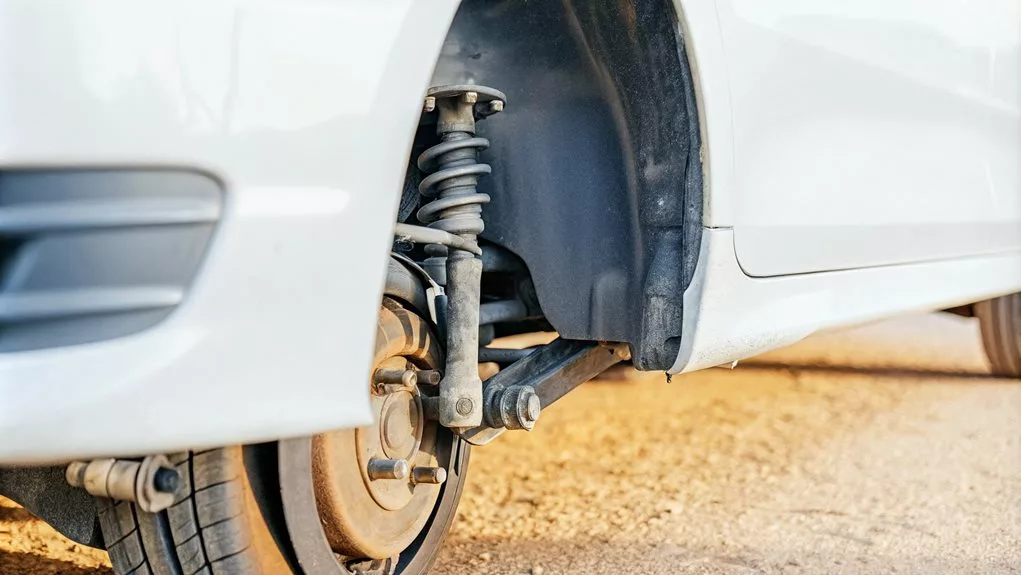
Electric Motor Maintenance
Teslas are easy to maintain, thanks to their innovative electric motor design, which minimizes wear and tear compared to traditional internal combustion engines. Routine maintenance tasks like oil changes are unnecessary.
The motor’s longevity is supported by regenerative braking and efficient energy management. Regular inspections, including checks for coolant leaks, are essential to prevent damage to the battery and other components—a critical aspect of drive unit maintenance.
Tesla Service Centers and authorized service providers have the specialized tools and training to handle any unique maintenance needs that may arise.
| Motor Maintenance Aspects | Description | Action Required |
|---|---|---|
| Design | Minimizes wear and tear | None |
| Oil Changes | Not required | None |
| Wear and Tear | Reduced due to regenerative braking | None |
Regenerative Braking Maintenance
Regenerative braking significantly boosts efficiency and reduces wear on brake pads, but it also introduces unique maintenance considerations.
Prioritize regular brake pad inspections every 12,000 to 15,000 miles to prevent premature wear and extend the life of your brake pads. Corrosion can be an issue, especially during winter months when salted roads are common. Clean and lubricate your brake calipers annually or every 12,500 miles.
Regular brake fluid checks are crucial to prevent moisture contamination and degradation. Replace your brake fluid every 4 years or as needed to maintain optimal performance. It’s essential to check the brake fluid level during the initial oil changes between 20,000 to 45,000 km.
Schedule an annual comprehensive service to ensure your Tesla’s braking system is thoroughly inspected and maintained. This includes checking for proper tire inflation, which significantly affects brake performance and overall vehicle safety. Utilize your Tesla’s energy app, which displays energy regeneration during deceleration, providing valuable feedback on your driving habits.
- Regenerative braking can recover up to 50% of the kinetic energy and convert it into electrical energy, which is then stored in the battery.
- Every 12,000 to 15,000 miles, brake pads should be inspected to ensure optimal braking performance.
- Brake fluid should be replaced every 4 years or as needed to prevent moisture contamination and degradation.
Potential Drawbacks and Challenges
1. Service Limitations
Long wait times for service appointments can be frustrating, especially if you’re not near a Tesla service center.
2. Higher Maintenance Costs
Maintenance can be more expensive than traditional gasoline-powered cars, averaging $3,115 over five years for a Tesla Model 3. This higher maintenance cost is often attributed to the complexity of electric vehicle technology and the specialized servicing required. Additionally, factors such as battery replacement and the need for unique components can contribute to the overall expenses. This leads many potential buyers to wonder, “why are teslas so costly? Factors such as battery longevity and the availability of charging infrastructure can also influence the total cost of ownership. Additionally, understanding tesla tradein value factors can help owners make informed decisions when considering upgrades or selling their vehicle. Overall, while maintenance costs might be higher, many drivers find value in the long-term savings on fuel and lower emissions.
3. Technical Support Restrictions
Direct technical support from Tesla is typically reserved for approved service centers, making it harder for non-proprietary mechanics to troubleshoot complex issues.
4. Specialized Knowledge and Parts Requirements
Finding genuine Tesla parts and specialized tools can be challenging for independent mechanics.
Due to battery degradation, owners may face expensive battery replacement costs if not properly maintained.
5. Battery Replacement Costs
Battery replacements can be costly—$6,500 for a Tesla Model 3 battery replacement and upwards of $10,000 for extended-range batteries. Regular inspections can help mitigate these issues, as early signs of aluminum bolt corrosion can be detected during servicing.
Many independent mechanics lack the advanced diagnostic tools required for Tesla repairs, which can lead to inaccurate diagnoses and ineffective fixes.
DIY and Professional Maintenance
As a Tesla owner, you can tackle some routine checks and tasks on your own. Verifying tire pressure and condition daily, checking exterior and interior for cleanliness and damage, and inspecting windshield wiper fluid levels monthly are all DIY-friendly tasks.
You can also rotate your tires every 6,250 miles to ensure even wear, check tire tread depth, and maintain proper tire inflation levels.
However, some tasks require professional expertise. Brake fluid and battery coolant checks should be left to the pros. Topping up brake fluid or opening the battery coolant reservoir can cause damage and void your warranty. Avoid these mistakes and let the experts handle it.
For brake care, it’s recommended to have a professional inspect and clean the brake calipers annually, especially if you live in areas where roads are salted. Regular software updates and professional maintenance at Tesla Service Centers can help optimize your vehicle’s performance and ensure your safety on the road.
Long-Term Service Considerations
To keep your Tesla in top condition, plan and budget carefully to minimize costs. Proper maintenance is vital to extend the lifespan of your vehicle’s batteries.
Regular tire rotation (every 6,250 miles or if tread depth difference is 2/32 inches or greater) safeguards even wear and prolongs the life of your tires. Cabin air filter replacement every 2-3 years maintains a healthy and clean cabin environment. Brake fluid tests every 4 years ensure optimal brake performance and safety.
Annual maintenance costs are estimated to be around $587 to $832, which can be a significant consideration for long-term ownership.
Additional maintenance requirements include A/C desiccant bag replacement every 3-4 years to maintain the efficiency of your air conditioning system, and HEPA filter replacement every 3 years to safeguard clean air and minimize allergens.
While Tesla service centers aren’t available in every state, the company has partnered with General Motors to expand its servicing capabilities. By staying on top of these maintenance tasks, you can keep your Tesla running smoothly and efficiently for years to come.
Teslas are known for their long-lasting batteries, but proper maintenance is still vital to extend their lifespan.
Regular maintenance tasks, such as tire rotation and cabin air filter replacement, can make all the difference in the long run.
By 2025, Tesla aims to have over 1,000 service centers across North America, making it even easier for owners to keep their vehicles in top condition.
The total 10-year maintenance cost of a Tesla is $5,381, beating the industry average for luxury sedans by $4,344—a significant cost savings.