

Tesla is a luxury electric car that has been around for about thirteen years. It was first unveiled as a prototype in 2006 and started to be delivered to clients in 2008. Teslas use electricity, and thus clients must always consider the charging options available when buying these cars. So what are the best Tesla Home Charging options?
The best charging options to consider for Tesla home charging include the ChargePoint Home Flex, which comes with smart functionalities, and the Tesla High Power Wall Connector, which charges up to four times faster than the standard onboard charger.
Read on for more insights into the charging options Tesla owners need to consider, including home charging and using the Supercharger network.
Do I Need a Home Charger When Owning a Tesla?
There are several ways to charge your Tesla at home using level 2 charging, direct wall connector, or Tesla supercharger. But do you need a home charger for Tesla?
You don’t need a home charger when owning a Tesla. Instead, you can charge a Tesla at a public charging station. However, doing so comes with inconveniences like having to wait for your turn. Therefore, it’s best to have a home charging system so you can charge your Tesla conveniently.
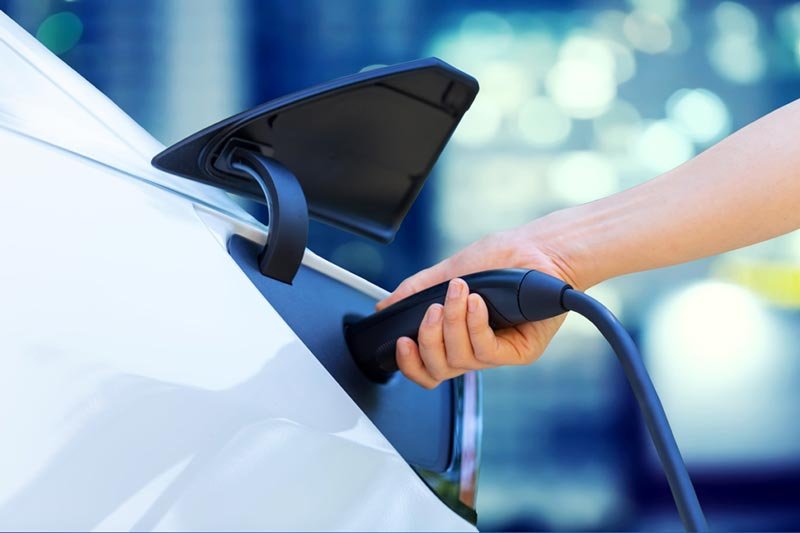
Here are some benefits of having your own home charging for your Tesla:
- Faster charging at home.
- You get to control the length of your charge.
- You don’t have to wait at the charging station.
Do You Get a Free Charger With a Tesla?
All new Teslas come standard with Mobile Connector and a J1772 adapter intended for public charging stations. However, the automaker offers free supercharging for some models — the Model S, Model X and Model 3, and Model Y based on specific conditions, such as being the original owner.
Here’s a table that summarizes the specific Teslas that qualify for free supercharging:
| Model | Supercharging Status |
| Model Y | Only available for models purchased in late December 2020 |
| Model 3 | Available for performance and trim options. However, you must be the original buyer. |
| Model S | May be available |
| Model X | May be available |
Can Tesla Be Charged at Home?
Teslas are designed to be charged at home with the included adapter, using 110-volt AC power, just like your phone or laptop. By charging overnight in your garage or driveway, you can drive ‘clean’ without ever visiting a gas station.
Teslas come standard with an AC wall connector that integrates the high-voltage home electrical system for convenient use by homeowners. Plugging in takes six to twelve hours and can also automatically shut off when not in use.
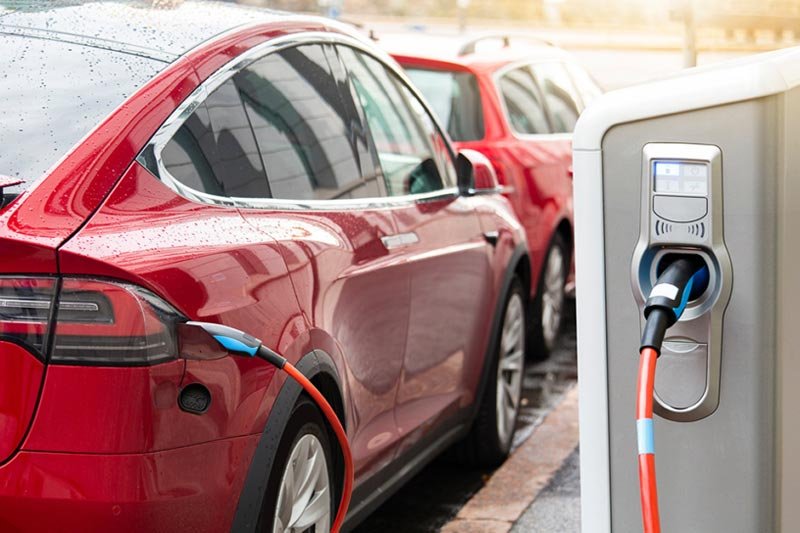
However, before considering charging your Tesla at home, it’s best to ensure you have the right equipment to do so and have reliable wiring and electricity.
Here are some other crucial tips to help you have a seamless experience charging your Tesla at Home:
- Hire an electrician who understands your needs. This is important because your household’s existing wiring might not support your Tesla. Therefore, hire an electrician who has experience working with EVs to install the appropriate charging equipment for your home capacity.
- Ensure you have a reliable source of power. Ensure that you have enough available power capacity in your circuit breaker panel by consulting with your local electric company or an electrical engineer. They’ll be able to help determine how much current is available at each point in your house, including circuits that are currently devoted to things like refrigerators and clothes dryers.
- Work with the building owner. If you rent, make sure to speak with your landlord or rental agency about an appropriate charging solution.
As an added bonus to this article, I’ve created this easy-to-use charging calculator. Simply input your model, charging wattage, and charging percentage, and you will get the estimated time it will take to charge a Tesla in terms of hours. You can play around with numbers a bit just to see how charging time changes:
[stm-calc id=”6425″]
For you to charge your Tesla at home, you’ll need to install level 2 charging hardware in addition to the onboard connector that comes standard with every Tesla Model S and Model X vehicle.
The hardware includes:
- An electrical outlet or wall connector (if there isn’t one already)
- A level 2 charging cable and adapter
- A dedicated 240-volt, 40 amp circuit breaker
Anyway, on a similar note, I also wrote a related guide about Home Charging Versus Supercharging. This might also be of interest to you. Feel free to give it a read.
How To Install Tesla Charger at Home
The installation process for your home charging station might seem complicated at first, but it’s pretty simple when you get into it. You just need to follow these steps:
1. Determine Your Energy Needs
To choose the best home charging station for your Tesla, you have to consider how much energy your electric vehicle will need. To do this, check the battery capacity of each Model — S/X/3 or Y — before choosing a charger capable of meeting those needs.
2. Determine if an Electrical Upgrade Is Necessary
You also need to determine whether or not there is enough power available in your circuit breaker panel so ask yourself this question: Will I be able to charge my car at night without tripping any breakers?
If yes, then that’s great!
Otherwise, you’ll need to hire an electrician who can upgrade your current system for additional amps.
3. Decide on the Installation Site
Where you locate the charging station will determine what kind of installation is required. You can install it near your outdoor wall connector, inside your garage, under a carport, or outside the main electrical service panel.
The location also depends on where your Tesla’s charge port is located.
4. Choose a Professional Electrician
Whoever you choose, this person should be experienced with EVs and familiar with local regulations. They’ll assist in determining how much current your home circuit breaker panel has and if it needs to be upgraded, besides offering installation services.

5. Determine Which Equipment You’ll Need
Not all home charging stations are the same; there are seven kinds available for various Teslas, which include:
- The standard onboard charger (comes with every car)
- Tesla Wall Connector (available on Amazon.com)
- NEMA 14-50 Adapter (240 volts)
- HPWC – High Power Wall Connector (up to 80 amps)
- CHAdeMO Charger (Japanese fast charge standard, third party item)

6. Get Your Installation Scheduled by the Electrician
Once you’ve chosen your equipment and installation location, schedule an appointment with an electrician to install the equipment.
You might also want to consider whether or not you should schedule the installation during your car’s scheduled service visit.
7. Have Your Electrician Install the Equipment
Your electrician will need to meet Tesla Motors’ requirements for installation, which include attaching a conduit box with a NEMA 14-50 outlet, 240 V 40 A breaker, and 200 ft (60 m) of 12 AWG cable before connecting it using a junction box.
8. Keep Track of Maintenance Tasks
Make sure you have all the necessary paperwork on hand so that you can keep track of any future maintenance required by potential warranty repairs or replacements. This means keeping copies of invoices, receipts, and letters indicating maintenance dates somewhere safe, like an organizer.
Here’s a video that may come in handy when installing your Tesla charger:
How Hard Is It To Install a Tesla Charger at Home?
It’s generally hard to install a Tesla charger at home. It requires a professional electrician who understands EV charger installation. Tesla recommends hiring an electrician to install the home charging station for your car as wiring electrical equipment can be dangerous if done incorrectly.
Which Is the Best Home Charger for Tesla?
ChargePoint Home Flex is the best home charger for Tesla. You can control it with your phone, set an electric vehicle timer to charge off-peak, connect it with ChargeNet (otherwise known as smart charging), and automate payments.
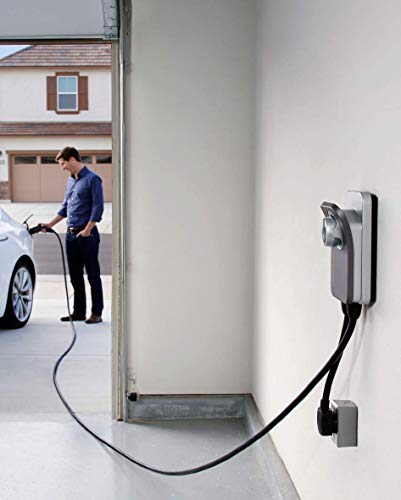
In a nutshell, here are some features that make the Home Flex the best charger:
- Setting a schedule so that your car automatically takes advantage of off-peak hours to recharge without costing too much.
- Remote control through an app that’ll notify you if your car is plugged into the wrong charger.
- Automated payment system: When you sign up for ChargePoint Network (smart charging), you receive a sticker and key fob to connect with the charger and use them as a virtual wallet to link to your account.
Can You Have a Tesla Supercharger at Home?
You can have a Tesla Supercharger at Home. However, Tesla recommends the Wall Connector. You can ask your EVSE provider about the legality of installing a Tesla Supercharger at home, considering any restrictions local authorities may have regarding the installation of high-wattage charger equipment.
Nonetheless, Teslas are equipped with an onboard charger that can take charge of your home’s electrical system. The current needed to charge comes in two kinds —120 V and 240 V, depending on the capabilities of your household circuit breaker panel.
If you don’t have enough electric power at home to give life to your Tesla, you’ll never be able to enjoy its total range capacity.
Is It Cheaper To Charge Tesla at Home or at a Supercharger?
Charging at Tesla Supercharger Stations is free for some models. If you’re planning on driving long distances regularly, it’s highly advisable to use them.
You can charge your Tesla overnight using a 240V/40A outlet in your garage, the costs will be much cheaper than at a supercharger station. Generally, home EVSEs provide more cost-effective charging.
Nonetheless, there are instances where the benefits of a supercharger outweigh the costs. Such instances include:
- When you’re in a hurry and need a quick charge for your Tesla.
- When you’re driving far away from home.
- When the supercharger is located conveniently near your destination or along your route.
Interested in getting the most out of your Tesla ownership experience? Be sure to check out our Ultimate Guide to Owning a Tesla for a comprehensive overview of all things Tesla.
How Are Tesla Superchargers Powered?
Tesla Motors Superchargers are powered by a mix of solar power, the grid, and sometimes hydropower. This makes it convenient for those looking to travel without worrying about power availability or wasting gasoline.
The solar panels at supercharger stations produce more than enough energy to power the station and prevent energy from going to waste.
Tesla Motors announced the Supercharger network in 2012 and has been growing it worldwide since. The number of superchargers available worldwide tops 25,000, with over 1,826 stations across North America, Europe, Asia, Australia, South America, and Africa.
By the way, did you know that owning a Tesla means you have access to both Tesla Destination Chargers and Superchargers? To learn more about the pros and cons of each charging option, check out our article on Comparing Tesla Destination Chargers vs Superchargers.
Do I Need a Garage for Tesla?
You generally don’t need a garage for Tesla since you can use a public charging station. However, using public charging stations can be time-consuming and expensive, which is why it’s crucial that you have access to a garage or other parking area that offers charging.
Therefore, you may find it more convenient to have a garage with a charging station for your Tesla. Besides that, here are six benefits of having your own garage:
- You can charge your Tesla overnight at a discount rate instead of paying more to charge it during peak hours when public charging stations are in higher demand.
- You can install solar panels on or near your garage roof to save money on electricity costs and potentially produce enough energy to power your entire home with clean energy!
- Accessing your vehicle is much easier since you won’t have to carry around wireless fobs every time you need access.
- You could avoid the added stress that comes with worrying about leaving your car out in public for too long.
- You can use it for other vehicles besides your Tesla.
Do I Need 200 Amp Service for Tesla?
You don’t need a 200 amp service for Tesla. Notably, You can charge your Tesla using a 100 amp service. However, obtaining a charging station with at least 40 amps comes highly recommended since it can significantly reduce the time required to give your Tesla the full-range capacity of its battery.
Different Charging Levels and Their Use Cases
Level 1 Charging
Level 1 charging refers to charging an electric vehicle (EV) using a standard 120-volt outlet, commonly found in homes and offices. It is the slowest way to charge an EV and adds about 2 to 5 miles of range per hour of charging.
Level 1 charging is suitable for overnight charging at home for a daily commute or for a plug-in hybrid vehicle, but it may not be practical for long road trips.
Level 2 Charging
Level 2 charging refers to charging an EV using a 240-volt outlet, similar to a clothes dryer outlet. Level 2 charging is faster than level 1 charging, adding about 10 to 20 miles of range per hour of charging.
Level 2 charging is the most common type of home charging and is suitable for overnight charging or for topping off during the day. Level 2 charging equipment costs more to install than level 1 charging equipment, but it is worth the investment for those who drive their EVs regularly.
DC Fast Charging
DC fast charging refers to charging an EV using a direct current (DC) charger, also known as a fast charger. Fast chargers can add about 60 to 120 miles of range in just 30 minutes of charging, making it the fastest way to charge an EV.
Fast chargers are commonly found at public charging stations and can be used by any EV driver, not just Tesla drivers. Fast charging requires the use of a different type of connector and often requires an additional cost for the charging session. However, for those who take long road trips or need a quick boost of range, fast charging may be the better choice.
Tesla Charging Basics
Tesla Mobile Connector
For Tesla drivers, the Tesla Mobile Connector is the standard home charging equipment. It comes with a 24-foot cable that can be plugged into a 240-volt outlet or a standard 110-volt outlet.
The mobile connector can be upgraded to a wall connector for a faster charging experience, but it requires professional installation by a licensed electrician.
Tesla Wall Connector
The Tesla Wall Connector is a faster and more versatile option for home charging. It requires professional installation by a licensed electrician and a circuit breaker upgrade in the electrical panel.
The wall connector comes with a 25-foot cable and can be upgraded with additional cables for outdoor installations. With the wall connector, Tesla drivers can take advantage of the full power capacity of their vehicle and enjoy faster charging times.
Tesla Superchargers
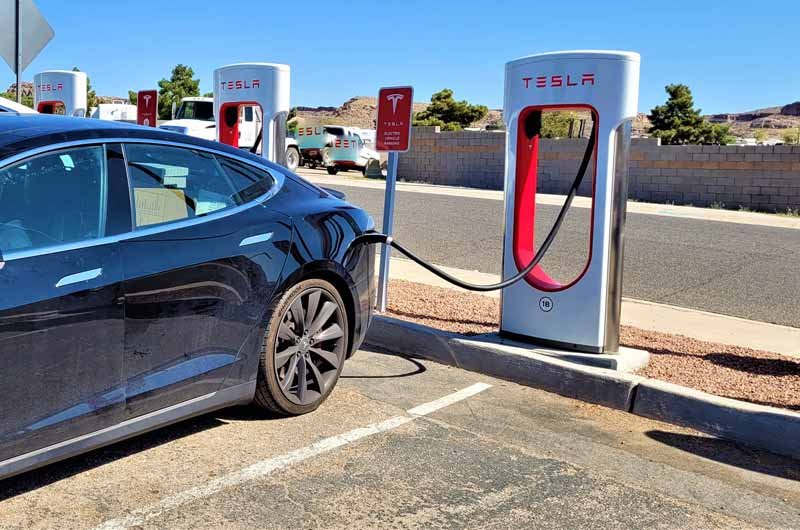
Tesla Superchargers are fast chargers designed specifically for Tesla vehicles. They provide the fastest charging experience for Tesla drivers and are conveniently located along highways for road trips.
Using the Tesla app, Tesla drivers can locate and start a charging session at a Supercharger. Superchargers provide up to 250 kW of power and can add about 170 miles of range in just 30 minutes of charging.
Tesla Charger Installation
The cost of installing a Tesla charger varies depending on the type of charger and the installation location. A portable charger, such as the Tesla Mobile Connector, has a lower installation cost compared to a wall connector.
For those who want the fastest charging experience, a wall connector is the top pick. However, for those who only need to charge overnight, a mobile charger may be a better choice.
When choosing the right charger, it is important to consider the daily driving needs, the power source, and the installation costs. Tesla provides more information on their website about the different charger options and installation costs for Tesla drivers in the United States.
Charging Speeds for Different EV Chargers
Tesla High Power Wall Connector
The Tesla High Power Wall Connector is mentioned in the article as charging four times faster than the standard onboard charger. However, charging speeds for other options like the ChargePoint Home Flex or the Supercharger network are not mentioned.
Other EV Charger Options
- ChargePoint Home Flex: This is a Level 2 smart charger that is capable of delivering up to 50 miles of range per hour of charging. It is a top pick for EV owners who want fast charging at home.
- Supercharger Network: The Supercharger network is Tesla’s network of fast chargers. A single charge can deliver up to 170 miles of range in just 30 minutes. This makes it the fastest way to charge a Tesla on a road trip.
- Tesla Mobile Connector: The Tesla Mobile Connector is a portable charger that comes with a 24-foot cable and is designed for home use. It can be plugged into a standard 240-volt outlet or a dryer outlet. It is also compatible with some public chargers.
- Other Fast Chargers: There are many fast chargers available in the United States that are compatible with non-Tesla EVs. These chargers offer varying charging speeds and power levels, and the charging times can vary based on the type of charger and the battery pack of the EV.
Choosing the Right Charger
Choosing the right charger for your EV depends on many factors, such as your daily commute, the size of your battery pack, and how often you plan to take long road trips.
It is important to consider the installation costs, the cost of additional equipment, and the availability of a licensed electrician to install the charger.
You can use the Tesla app to determine the maximum power that your electrical panel can support, and you can also visit Tesla’s website to learn more about the different connectors and charging speeds.