

Turbochargers are commonly used in gasoline engines to boost the engine, increasing the force behind each explosion. But can electric cars have a turbo?
An electric car cannot have a turbo because electricity is used as an energy source to run the vehicle and does not combust like gasoline. Therefore, a turbocharger would neither be effective in an electric car nor improve performance.
The rest of this article will explain why electric cars don’t need turbochargers to improve performance. Read on for details on these devices, insights into the types of motors EVs use, and the common driving modes in these vehicles.
Why Electric Cars Do Not Have Turbo
There are a few reasons why electric cars cannot have turbo engines. The primary ones include:
- EVs don’t use internal combustion engines.
- Turbo would overwork the electric motor.
- Electric vehicles are already efficient enough.
Here’s a rundown of these reasons:
EVs Don’t Use Internal Combustion Engines
The amount of power used to run an internal combustion engine depends on how much gasoline and air can be mixed and exploded in the combustion chamber. This is known as the ‘volumetric efficiency’ or ‘VE.’
Turbochargers work by compressing the air going into the engine. This increases the VE and allows for more fuel to be added, resulting in more power.
Electric cars cannot use a turbo because they do not have conventional internal combustion engines. Without combustion, there is no explosion, and without the explosion, you cannot mix gasoline with air to create power.
For in-depth information on how EVs work, I recommend reading Joining the Electric Vehicle Revolution (available on Amazon.com).
The author provides crucial background knowledge for EV owners and is a worthwhile read regardless of the EV brand they buy since it features information on over 9 popular EV brands, including Tesla, Nissan Leaf, Chevy Bolt, to mention but a few. Additionally, the book dives into important topics such as charging infrastructure, maintenance tips, and the latest advancements in EV technology. It also discusses Tesla pricing options and strategies, helping potential buyers make informed decisions based on their budget and preferences. Overall, the comprehensive insights offered make it an invaluable resource for both new and seasoned EV enthusiasts.
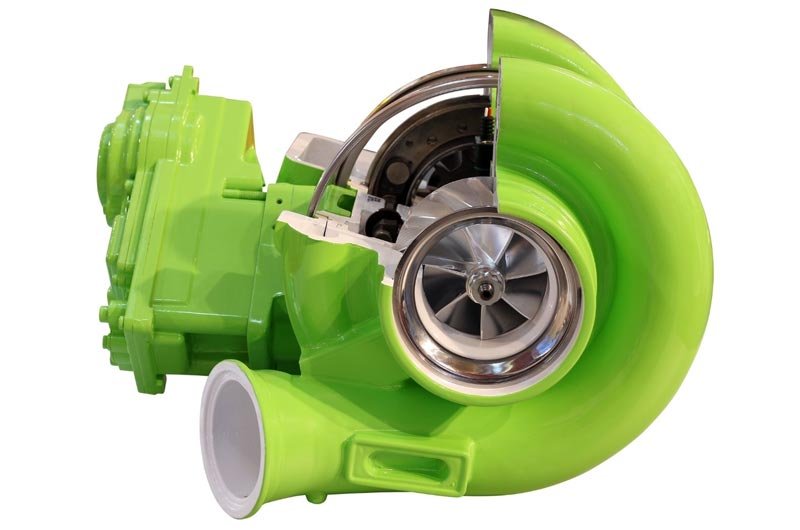
Turbo Would Overwork the Electric Motor
Additionally, turbochargers put a lot of stress on an engine, and electric motors do not like to be worked hard or fast. Using a hand-held hair dryer will attest to this as after just a few minutes, it can feel very hot to the touch.
Turbochargers work in a similar way- by compressing air and forcing it into the engine. This can quickly overheat and damage an electric motor.
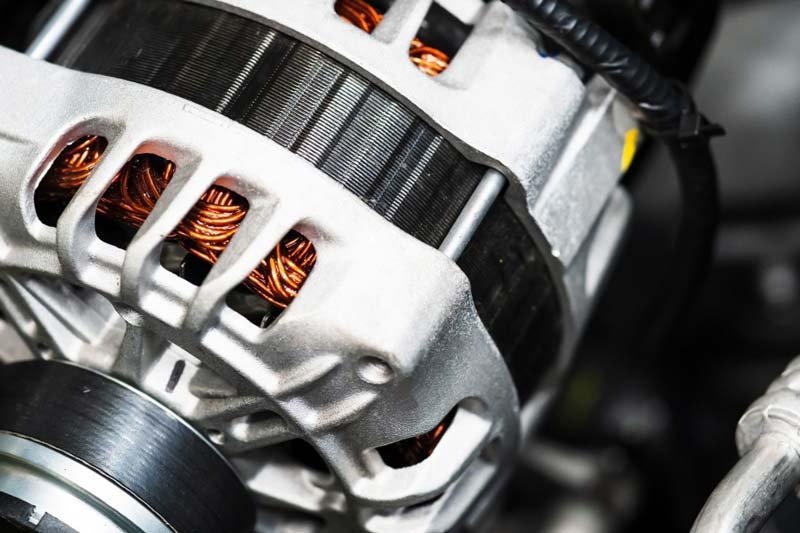
We also discussed if Electric Cars Have Alternators? Check it out!
Electric Vehicles Are Already Efficient Enough
Turbochargers are also unnecessary for electric cars because these vehicles are already efficient enough. According to the U.S. Department of Energy, electric motors are about 75% efficient. In contrast, gasoline engines are only about 30-35% efficient, while diesel engines are 40% efficient.
This means that electric motors can push a car much further with a lot less power, meaning they don’t need the extra boost from a turbocharger to do so.
Which Motor Is Used in EV?
The main motors used in EVs include the DC series motor, brushless DC motor, and the permanent magnet synchronous motor. These motors are the best for EVs since they are highly efficient, offer high power density, and provide high starting torque, crucial for traction.
Different types of electric motors are used in EVs, each with its benefits and downsides. Let’s take a look at the three most common ones: One of the crucial factors to consider when evaluating electric motors is their longevity. Many potential EV buyers may wonder how long do electric car motors last, as the longevity can significantly impact maintenance costs and overall vehicle performance. Generally, electric motor designs are known for their durability, often lasting well over a decade with proper care and usage.
DC Series Motor
A DC series motor is a brushless motor that uses variable frequency drives to run at a constant RPM while providing very high starting torque. Despite the name, these motors are not limited to just DC but can run on AC or DC power.
They are often used in electric vehicles because they are very reliable and can withstand sudden load increases without stalling. Additionally, they are easy to control and can be slowed down or stopped quickly using a brake resistor. However, they are more expensive to maintain than other electric motors.
Brushless DC Motor
A brushless DC motor is a type of electric motor that uses permanent magnets to create rotational force. It’s often used in electric vehicles because it is very efficient, with efficiencies as high as 95%.
Additionally, a brushless DC motor has a high power density and can be run at high speeds without losing power. It’s also very reliable and has a long operating life.
Permanent Magnet Synchronous Motor
A permanent magnet synchronous motor is a type of electric motor that uses permanent magnets to create rotational force. It is often used in electric vehicles because it offers a high power density.
Additionally, this motor is incredibly reliable and has a long operating life. Because of that, it is often used in applications where there is a high demand for power.
| Motor | Efficiency Rating |
| DC Series Motor | 80-85% |
| Brushless DC Motor | 80-95% |
| Permanent Magnet Synchronous Motor | 92-97% |
Common Driving Modes in Electric Vehicles
Having different driving modes is one of the best features of electric cars. This allows drivers to customize their experience and choose the mode that best suits their needs.
There are four common driving modes in electric vehicles: sport mode, ludicrous mode, eco mode, and chill mode:
Sport Mode
When feeling energetic, switch to Sport Mode for a more exhilarating drive. This mode amps up the power steering and gives you a more responsive feel when you’re behind the wheel. It also increases the accelerator response time, so you can get up to speed quickly.
Ludicrous Mode
Ludicrous Mode is the best way to unleash all of your car’s performance. This mode normalizes torque so that you have none-stop acceleration from 0 mph through 60 miles per hour (0 – 97 kilometers per hour), with a 2.5 second time for hitting this speed!
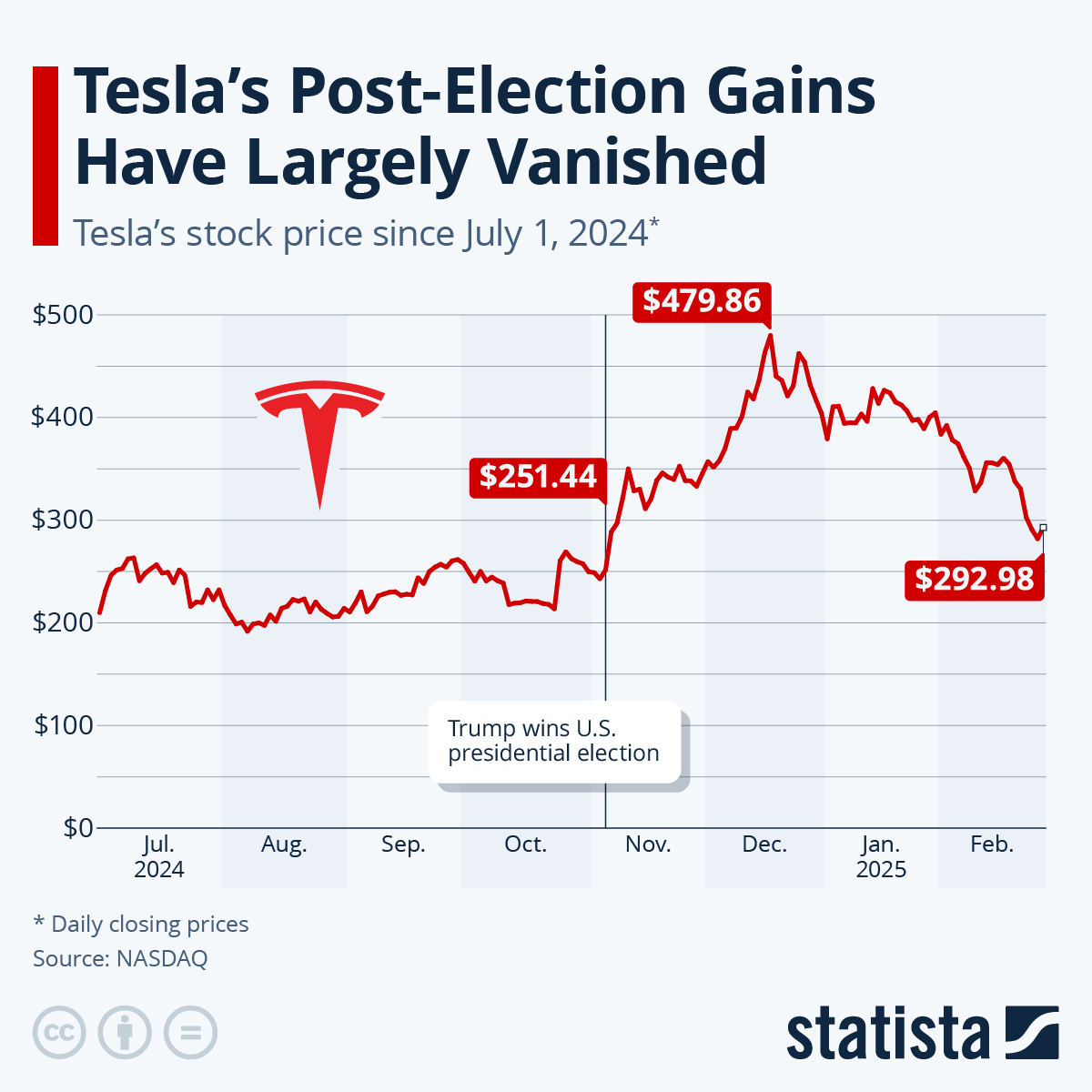 Reference Link Statista
Here’s a video that describes the levels of the Tesla Ludicrous Mode:
Eco Mode
If you’re concerned about your electric car battery, switch to Eco Mode. This mode limits acceleration and increases regenerative braking force so that you can have a smooth ride while being as efficient as possible.
Key Takeaway: Use the Eco Mode to conserve battery power.
Chill Mode
For a relaxing drive, switch to Chill Mode. This mode moderates the power steering and makes acceleration more gradual.
The Chill Mode is best for icy or wet roads or when you need to minimize energy consumption. Also, some Tesla enthusiasts consider it the best option for younger drivers.
EV Speedy’s Take
EV’s use different electric motors that are better suited for this type of vehicle. That said, each motor has its benefits and downsides, but they all offer high efficiency and plenty of power.
Additionally, electric cars have different driving modes that allow you to customize your experience. Whether you’re looking for a more spirited drive or a relaxing cruise, there’s a mode for you. Thanks for reading!