

Electric vehicles (EVs) are becoming more popular today, as evidenced by the rising popularity of EV manufacturers like Tesla. There are two types of EVs: plug-in hybrid EVs (PHEVs) and battery electric vehicles (BEVs), but what are their similarities and differences?
PHEVs and BEVs both use electricity to power the engine, have a battery that stores energy and can be plugged into an outlet to recharge the battery. On the other hand, PHEVs can also be gasoline-powered, while BEVs are purely electric.
The rest of this article will break down the similarities and differences between PHEVs and BEVs. Read on for more information to help you decide which EV is right for you.
What Is a BEV Engine?
A BEV engine, or battery electric vehicle, is an EV with batteries rather than gas tanks. What’s more, the batteries are rechargeable; hence you can plug the vehicle into an outlet for charging.
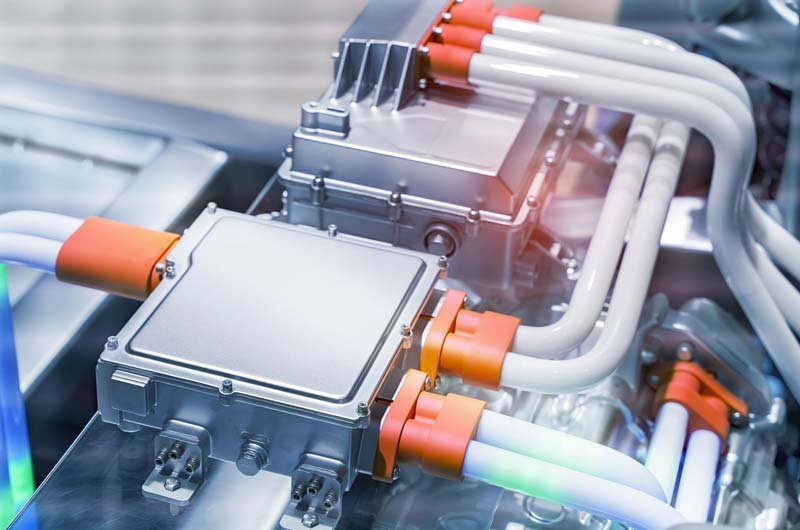
BEVs do not need or use oil to run like internal combustion (IC) engine vehicles do. They store electric energy in the battery pack and convert it into kinetic energy through an electric motor/generator when needed. The EV motor and controller help the engine modulate power, just like a gas engine.
For example, when you press on the accelerator pedal in an EV, electricity flows into the battery pack to move the vehicle forward. Electricity then flows out of the battery as kinetic energy to turn the wheels.
For additional information on EVs, I recommend reading Electric Vehicle Technology Explained (available on Amazon.com). The authors explain the science behind EVs using simple, easy-to-understand diagrams, making it a worthwhile read.
What Is PHEV Engine?
A PHEV engine, or plug-in hybrid electric vehicle, is an EV that uses a rechargeable battery pack and has an IC engine for backup purposes. When the pack’s charge gets too low to power the car by itself, the IC engine kicks in so it can continue to drive until you reach your destination.
The IC engine is more powerful than the electric motor/generator in a PHEV because it can power the car longer. At this point, you may be wondering how a PHEV charges its battery pack if it has an IC engine as well.
The answer is simple: from plugging into an outlet. In other words, your home’s wall outlet can power the car’s battery pack. The vehicle comes with a cord that plugs into the outlet to charge the battery while at home, just like how you charge your phone at night.
Check out this useful video on how PHEVs work:
What Are the Similarities Between BEV and PHEV?
Before examining the differences between PHEVs and BEVs, let’s look at their similarities.
In general, the similarities between BEV and PHEV include:
- They both come with an electric motor.
- They’re cleaner alternatives to gasoline-powered cars.
- They run on battery power.
- They have an electric-only driving range.
- They both have regenerative braking systems.
In a nutshell, both BEVs and PHEVs are classified as electric vehicles. However, because of their different powertrains, the similarities stop there.
Anyway, on a similar note, I also wrote a related article where I explained the differences between FCEV and BEV. I went into great detail. Have a look and let me know what you think!
What Is the Difference Between a BEV and PHEV?
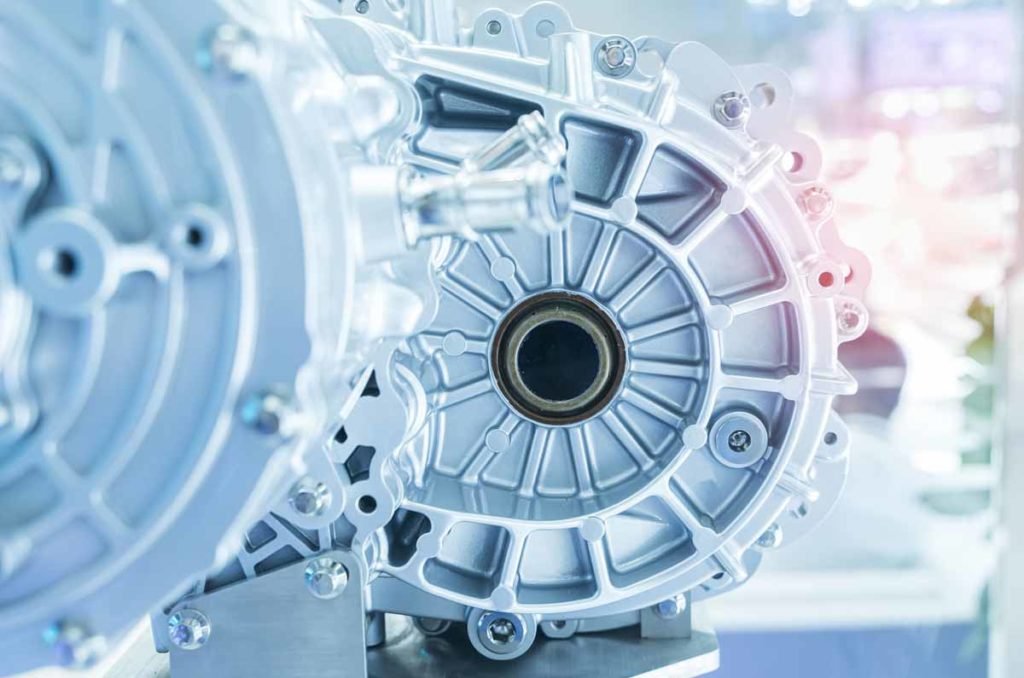
The primary difference between a BEV and a PHEV is the powertrain. Notably, a BEV is a battery-powered electric vehicle, so it’s a pure electric vehicle. On the contrary, a PHEV uses both gasoline and electricity as its energy sources.
In general, here’s a rundown of the notable differences between a BEV and a PHEV:
| BEV | PHEV | |
| Powertrain | Electric motor | Electric motor + internal combustion engine |
| Toggling Between Power Sources | Does not allow toggling | Allows toggling between the electric motor and combustion engine |
| Battery Size | Typically smaller | Typically larger |
| Tailpipe Emissions | Zero | Emit, though more environmentally friendly than conventional combustion engines |
| Electric-Only Driving Range | Longer | Shorter (However, PHEVs have a longer total traveling range) |
Check out this article that I wrote about the Difference Between PHEV and MHEV? We went into great and interesting detail.
Powertrain Differences
A pure electric vehicle (BEV) is powered by an electric motor. In contrast, a plug-in hybrid electric vehicle (PHEV) uses both an electric motor and a combustion engine to generate its energy.
Because of that, PHEVs can switch between different energy sources, electricity or gasoline. This lets the vehicle conserve its electric charge while driving in circumstances where electrical energy isn’t readily available, like on highways.
On the other hand, BEVs only use an electric motor and battery. That means that they can’t be recharged by gasoline, and they also don’t have the option to switch between different power sources.
Battery Size Differences
PHEVs usually have a larger battery than BEVs. In general, the bigger the battery, the heavier the vehicle will be. When it comes to PHEVs vs BEVs, this means most BEVs are usually lighter than their PHEV counterparts.
Note: Although PHEVs have larger batteries, their driving range in electric-only mode is usually lower than that of BEVs. However, the former can switch to gasoline, increasing their overall traveling range.
Tailpipe Emissions Differences
Since they operate solely on electric power, BEVs produce zero tailpipe emissions. That makes them better for the environment since they don’t emit any harmful gases into the air. On the other hand, PHEVs are gasoline-powered, so they have tailpipe emissions.
Why does this matter?
Well, tailpipe emissions are not only harmful to the environment, but they’re also dangerous for our health.
Although PHEVs emit more environmentally-friendly tailpipe emissions than conventional combustion engines, the truth is that they still emit harmful gases into the air like carbon dioxide and nitrogen oxides. These gases can cause respiratory problems and acid rain, among other things.
Electric-Only Driving Range Differences
The electric range in most PHEVs is shorter than that of most BEVs. It means that BEVs can travel on electricity for longer before the battery charge gets too low to let it run further, while a PHEV cannot.
However, the tables turn when you consider the total driving range. Notably, PHEVs have a higher total traveling range than BEVs, thanks to the ability to toggle between power options in the former.
Here’s an exciting video that summarizes the differences between PHEVs and BEVs in one minute:
Is BEV or PHEV Better?
A PHEV might be a better choice if you do most of your driving in the city and don’t need to go very far on a single charge, while a BEV might be better if you do a lot of long-distance driving since it provides a longer electric-only driving range.
In general, both types of EVs have their pros and cons depending on your driving needs. For instance, many consumers prefer the all-electric range that a BEV has over a PHEV’s gasoline-powered range because it lets them travel farther before needing to recharge the battery.
However, the switchable power source that a PHEV possesses can be beneficial when electric charging stations aren’t available. For example, if you’re going to a place with little or no access to electricity and have a long drive ahead of you, it would be better to bring along a PHEV so you’d still be able to use gasoline when necessary.
What Are the Pros of a BEV?
In general, the pros of a BEV include:
- No petrol required.
- Can be easier on the environment than a regular car which runs on fossil fuels.
- Lower maintenance costs because of lack of complex parts.
What Are the Cons of a BEV?
The cons of a BEV are:
- Charging can be expensive or hard to find depending on the available power supply.
- They are more expensive than standard vehicles.
- Difficult to manage if you’re renting one.
What Are the Pros of a PHEV?
The pros of a PHEV are:
- Lower environmental impact than regular petrol vehicles.
- Can run on all-electric mode for short distances.
- Great for longer trips because you can switch to petrol saving your battery power for areas that do not have many charging areas.
- Can recharge from the regular power supply.
What Are the Cons of a PHEV?
The cons of a PHEV are:
- The driving range on electric-only mode is shorter.
- More expensive than a regular hybrid.
- Gasoline mode produces tailpipe emissions that can harm the environment.
Note: Besides, BEVs and PHEVs, hybrid electric vehicles (HEV) and extended-range electric vehicles (EREV) are other types of EVs. An HEV has an IC engine and a rechargeable battery.
However, unlike a PHEV, an HEV doesn’t need to connect to an external power supply to recharge its battery. Instead, it comes with a self-recharging mechanism, whereby its generator recharges the battery while cruising on the IC engine powertrain.
On the other hand, EREVs come with range extenders that increase their traveling range.