

The Chevy Volt is a plug-in hybrid electric vehicle first introduced in 2010. While it has a lot to offer, its 8-year/100,000-mile (160,934.4 km) battery warranty is arguably one of its main selling points. So as someone interested in this EV, you might wonder what makes the warranty so special and how its coverage compares to the competition. This warranty not only provides peace of mind regarding battery performance but also underscores Chevy’s confidence in the Volt’s longevity. When evaluating electric car ownership essentials, it’s crucial to consider such warranties, as they can significantly impact long-term costs and overall satisfaction. By offering comprehensive coverage, the Volt distinguishes itself from other models on the market, making it a more attractive option for potential buyers. Additionally, understanding the difference between PHEV and MHEV is essential for potential buyers evaluating their options in the hybrid market. PHEVs, like the Volt, offer a larger all-electric range and the ability to charge from an external power source, whereas MHEVs rely on their gasoline engines with limited electric assist. This distinction can affect overall driving experience and cost efficiency, further enhancing the appeal of the Chevy Volt for those seeking a versatile electric vehicle.
If that has crossed your mind, keep reading because I’m about to cover everything you need to know about Chevy Volt’s battery warranty, how it stacks up against the competition, and tips on extending your battery’s durability.
What Is Covered in a Chevy Volt Battery Warranty?
The Chevy Volt battery warranty covers the entire battery pack for 8 years or 100,000 miles (160,934.4 km), whichever comes first. This includes the cells, the junction box, and the electronic control unit. The warranty also covers all labor costs associated with replacing a defective battery pack.
Additionally, the battery warranty covers any potential defects in materials or workmanship related to the battery system.
Here’s a list of some of the components covered under a Chevy Volt battery warranty:
- All cells in the battery pack: This includes the positive and negative electrodes, the separators, and energy-storing chemicals.
- Junction box: This is also known as the battery power distribution center. It’s a flat housing that holds all cells in series.
- The electronic control unit (ECU): The ECU stores important data about the Volt’s performance during charging cycles.
Do you want to know What The Best Level 2 Chargers for A Chevy Bolt Are? Check out this related and helpful article that I wrote.

However, there are several exceptions to the battery warranty. For example, accidents or collisions that cause damage to the Chevy Volt’s body are not covered under warranty.
Here’s a list of cases in which the battery warranty does not apply:
- Damage caused by overcharging, overheating, or physical abuse.
- Failure to follow the preventative maintenance tips provided by General Motors.
- Battery damage caused by spilled liquids or floods.
- Damage due to riots, fire, or an accident.
Here’s how the Chevy Volt battery warranty stacks up against Tesla’s battery warranty:
| Chevy Volt Battery Warranty | Tesla’s Battery Warranty | |
| Duration of Warranty | 8 years or 100,000 miles (160,934.4 km) | 8 years or 100,000 – 150,000 miles or 160,934.4 – 241,401.6 km (mileage varies with model) |
| Areas Covered | Entire battery pack | Entire battery pack |
| Exceptions | Damage due to deterioration, fire, accident, or riot | Damage due to deterioration, fire, accident, or riot |
| Cost of Replacing Battery | $0 – $3,000 | $13,000 – $14,000 |
How Long Is the Warranty on a Chevy Volt Battery?
The warranty on a Chevy volt battery is 8 years from the purchase date or 100,000 miles (160,934.4 km), whichever comes first. That means if your battery breaks down before it reaches 100,000 miles (160,934.4 km), you can have it replaced for free.
Although this warranty is “bumper-to-bumper” and covers a lot of components, it doesn’t cover damage due to a collision or fire. Also, the warranty doesn’t cover regular wear and tear, nor does it cover abuse to the battery. Additionally, it’s important for vehicle owners to familiarize themselves with the exclusions specified in the warranty to avoid any unexpected costs. For those looking to enhance their vehicle’s protection, the xpel stealth review 2025 overview highlights innovative options that safeguard against scratches and dents while maintaining the vehicle’s aesthetic appeal. Understanding these details can help owners make informed decisions about both their warranty and additional protective measures.
Consequently, it would be best if you were cautious about how you drive around your Chevy volt. Even though the battery is designed for extreme temperatures, it’s still recommended that you avoid exposing it to very high or low outside temps.
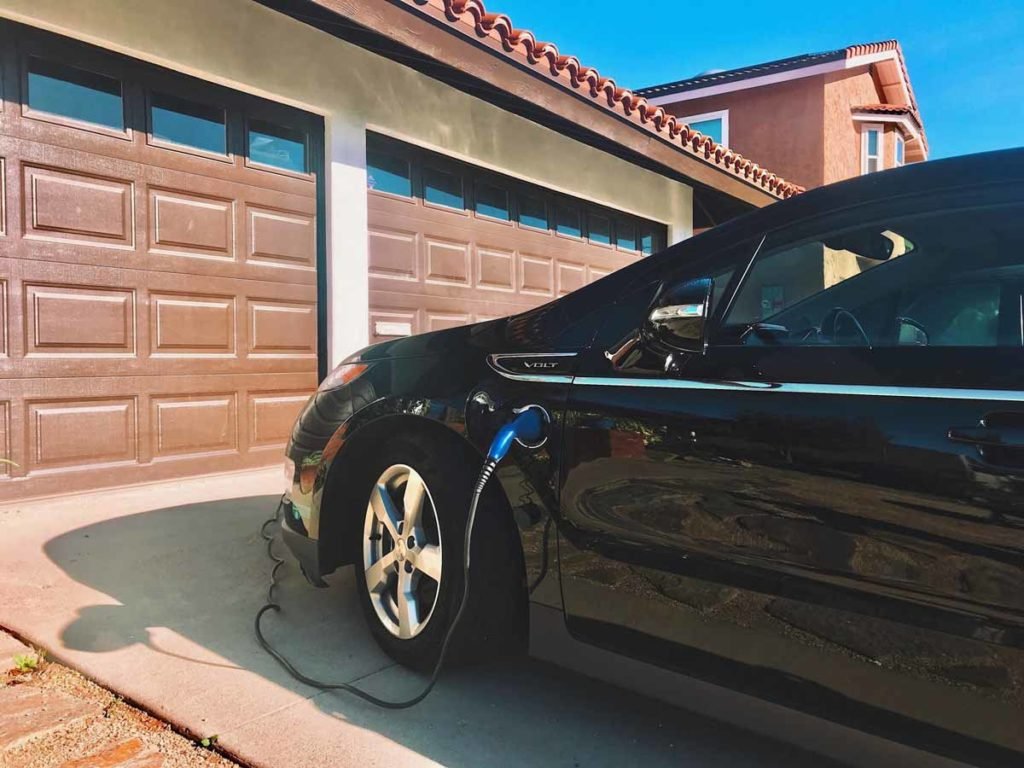
How Do You Maintain a Chevy Volt Battery?
While the Chevy volt battery is warrantied for 8 years or 100,000 miles (160,934.4 km), it will still slowly lose capacity over time. Fortunately, you can maintain your battery’s original capacity with regular maintenance.
Here are a few ways to maintain your Chevy Volt battery:
- Maintain an appropriate charge level.
- Insulate the battery from extreme temperatures.
- Avoid exposing your battery to shock and vibration.
- Regularly inspect the battery for signs of wear and tear.
Here’s a rundown of these steps to ensure you get the maximum battery performance:
Maintain an Appropriate Charge Level
To maintain the capacity of your battery, avoid draining it too much. Try to recharge when the charge is around 50%. If you see the “low battery” warning frequently, consider getting a replacement before it dies completely and leaves you stranded in a potentially dangerous situation.
If you would like to find out How Long It Takes To Charge a Chevy Bolt see this article that I wrote. The charge time may change significantly under certain situations.
Insulate the Battery From Extreme Temperatures
Extreme temperatures can affect your Chevy Volt’s performance significantly over time. During extremely hot or cold seasons, take special care not to expose your battery to high or low temperatures for long periods. This will help prolong its life and preserve its original performance and capacity as long as possible.
Avoid Exposing the Battery To Shock and Vibration
If you’re using your Volt on rough terrain or in harsh conditions, take extra care not to expose your battery to occasionally severe shocks or vibrations. These can affect the cells inside the battery pack and damage them over time, which will make it lose some of its charging capacity.
To prevent your battery from sustaining any serious damage, avoid taking your Volt on challenging terrains or through harsh conditions as much as possible. The less wear and tear the battery is exposed to, the better. If you do need to drive in such conditions from time to time, be extra cautious and drive at a reduced speed.
Regularly Inspect the Battery for Wear and Tear
Finally, be sure to routinely inspect your battery’s outer casing for any signs of unusual wear or tear. If you spot any visible damages or deformities, don’t hesitate to contact your provider and inquire about a replacement.
Some other things to keep in mind:
- Ensure you follow all precautions and guidelines as clearly stated in your owner’s manual.
- If you have a volt with an active charge port, make sure to keep the contact terminals clean and remove any corrosion that may develop.
- Always choose a reputable provider when replacing your vehicle’s parts.
- Always keep your owner’s manual in a safe place to refer to when necessary.
- Have a clear understanding of all the aspects of your warranty and how it affects you and your Chevy Volt.
Chevy Volt Battery Warranty: FAQs
How Often Do Chevy Volt Batteries Need To Be Replaced?
The Chevy Volt battery is warrantied for 8 years or 100,000 miles (160,934.4 km). After the warranty expires, the battery will still retain some of its original capacity, but it will continue to lose capacity over time. Eventually, the battery will reach a point where it can no longer hold a charge and needs to be replaced.
Chevy Volt batteries need to be replaced every 8 to 10 years as a rule of thumb. However, this can vary greatly depending on how you treat your battery. If you live in a cold climate with extreme temperatures, the battery’s life will be reduced.
Similarly, wear and tear are accelerated if you charge it often at high voltages. On the other hand, if you manage your battery correctly by performing regular charging and discharging cycles, it will last longer.
With all that being said, Chevy Volt batteries are designed to retain 80% of their original capacity for up to 100,000 miles (160,934.4 km) or 8 years. After that period/mileage, they are expected to lose about 10% – 30% of their initial capacity every year until they reach the “end of life.”
Since these batteries are warrantied for the first 8 years or 100,000 miles (160,934.4 km) anyway, it would be best to have them replaced around that mileage/time limit (AKA, before they lose too much of their original capacity).
How Much Does It Cost To Replace a Battery in a Chevy Volt?
It costs anywhere between $0 and $4000 to replace a battery in a Chevy Volt, depending on whether the damage in question is covered under the warranty. If the damage is covered the owner will get a free replacement. On the other hand, replacements caused by non-covered damages cost $3000 – $4000.
Also, it would help to consider labor costs when estimating the total price of a battery replacement. Keep in mind that labor costs can vary significantly depending on your location and the provider you go with. Some providers may charge as much as $100 per hour for labor, while others may charge significantly less.
That’s why you need to do enough research when it comes time to replace your Chevy Volt’s battery. Not all providers offer the same quality of service, so it’s important to find one that fits your needs. When doing that, be sure to ask around for referrals; friends and family members are often happy to recommend a trustworthy and reliable provider that they’ve used before.