

Electric cars are becoming very popular. More people are beginning to switch from gas-powered vehicles to electric vehicles every day, despite any rumored challenges that electric vehicles may have.
Electric vehicles are designed to perform excellently in the snow despite some common challenges. Ultimately, every car will face cold-weather issues, but electric vehicles are built with incredible technology and architecture that helps with the process.
This article will discuss how electric cars drive in the snow. I will also talk about the many benefits and challenges of driving an electric vehicle during the winter.
Can Electric Cars Perform Well in the Winter?
Winter can be a nightmare for many people, especially on the roads. Weather conditions can create harsh environments that are dangerous and costly if unprepared.
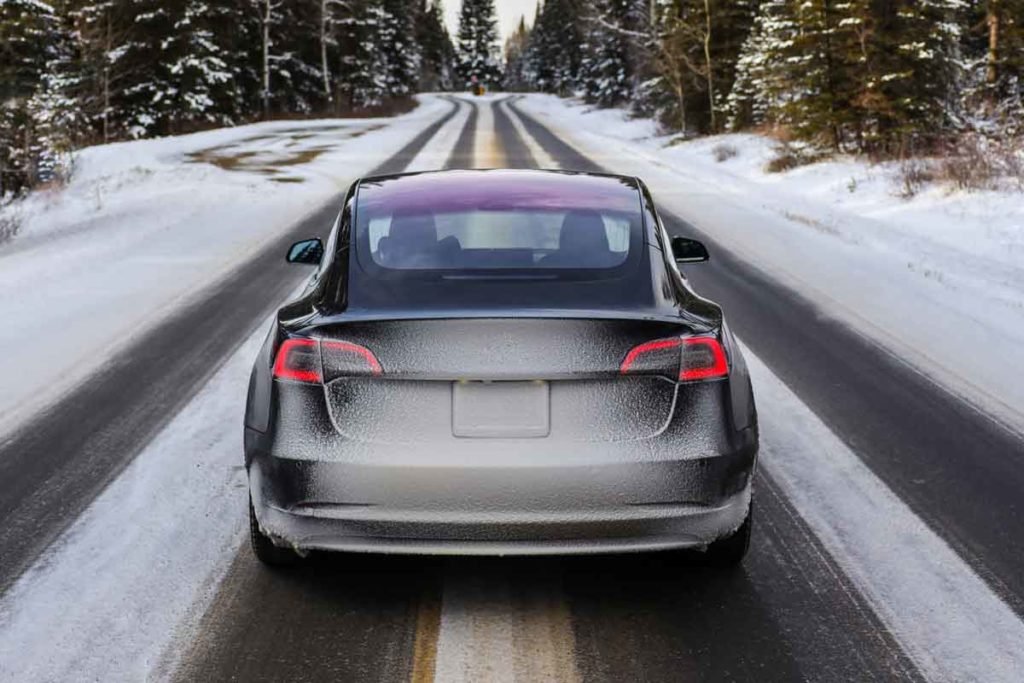
Electric cars perform well in the winter. Automotive companies invest a lot in engineering to make EVs perform great when it snows. Although purchasing the right winter tires helps, there aren’t any significant issues that prevent electric cars from performing well in the snow.
Electric vehicles rely mainly on the battery for power, so the most prominent concern during cold weather is keeping the battery warm. Nevertheless, electric cars can warm up the interior and exterior of the system, including the battery. To address this issue, manufacturers have developed various electric car heating methods that help maintain optimal battery performance. These methods include using heat pumps and resistive heating to warm the battery and cabin, ensuring that both the vehicle’s electronics and occupants remain comfortable. By efficiently managing heat distribution, electric vehicles can better manage their range and performance in colder temperatures.
Sometimes, electric vehicles even outperform gas-powered vehicles when it comes to winter driving.
Why Is an Electric Car’s Battery Important in Winter?
Electric vehicles have a fantastic design. Like all other cars, electric cars require a source of power to operate, and that source of power comes from the battery.
An electric car’s battery is important in winter because it allows the car to operate, keep the cabin warm, and maintain a steady temperature for the batteries. The benefits of having an electric vehicle tend to rely solely on one’s battery to operate correctly.
As previously mentioned, an electric vehicle’s battery should be warm before driving in cold weather. If the battery is not warm, an electric vehicle will still drive.
However, some of the benefits that an electric vehicle has might not work as well. This will, ultimately, depend on the car that one chooses to drive.
| Electric Vehicle | Effect of winter on the batteries |
| Chevy Bolt | This model of Chevrolet is far more sensitive to the cold than warmer temperatures, losing power from the effects of the winter. |
| Jaguar I-Pace | The battery life on this vehicle does well in the cold, only losing around 5% of power. |
| Tesla (All models) | Tesla communicates to drivers that the weather doesn’t affect battery life, regardless of the temperature. |
Additionally, the battery of an electric vehicle will use up more charge in cold weather because of the extreme temperature conditions it has to endure.

If you’d like to find out more about Tesla Battery Temperature Range, check out this related article that I wrote. Here I explain all the different weather effects.
If you drive an electric vehicle and plan to drive through the snow or in cold weather conditions, consider the following:
- Before driving, precondition your car. This will help warm up your entire vehicle before hitting the road, avoiding any hazardous risks.
- Place your car in a garage or covered area to keep the temperatures high before driving.
- Avoid using extra features in your car to preserve energy.
- Always keep your battery charged a little bit, so you never need to worry about losing charge.
- While warming up your car’s entire system and battery, keep it plugged into a charger before leaving your home.
- Drive at a steady pace, preserving any wasted energy from changing speed quickly.
- Install a heat pump into your vehicle rather than using your traditional heater.
- Prepare yourself before hitting the road, and charge your vehicle. Note down how many miles you need to travel, and locate charging stations along the way.
You should watch this video by Fully Charged Show to see how electric cars (specifically Teslas) handle winter driving:
What are the Benefits of Driving an Electric Vehicle in Winter?
Every vehicle, gas or electric, has its perks and its flaws. The ultimate goal is to find the right car that works for you. When considering your options, it’s essential to weigh factors such as cost, maintenance, and your driving habits. Electric car ownership insights reveal that many drivers appreciate the lower running costs and environmental benefits, even though they may face challenges like charging infrastructure. Ultimately, your choice should align with your lifestyle and values for the best driving experience.
Electric cars are beneficial to families and couples for winter driving, saving costs, and preserving energy. They also drive smoothly and are much safer than other vehicles, especially during the winter season.
Anyway, on a similar note, I also wrote a somewhat related article called Do Electric Cars Lose Charge in Cold Weather? We go in detail and discuss everything that could go wrong with an EV in cold weather. Check it out! In addition to examining the impact of low temperatures on battery performance, the article also addresses strategies for maintaining optimal efficiency during winter months. Understanding the relationship between electric cars and cold weather can help drivers make informed choices and maximize their vehicle’s range. Be sure to read through the tips and insights to ensure a smooth driving experience even when temperatures drop.
It is no surprise that electric vehicles can benefit you in a wide variety of ways. Here are a few reasons why electric vehicles may provide individuals with a positive driving experience in the snow:
- Electric vehicles have a low center of gravity, which is beneficial for stability and maneuvering while driving.
- Most vehicles that run electrically have anti-braking systems and stability control.
- Electric vehicles can be preconditioned, warming up the system for a smooth drive.
- Eco-mode on electric vehicles helps with reducing the power your vehicle uses.
- Electric vehicles have regenerative braking, which helps with the many risks of driving in the winter.
- Electric vehicles can give suggestions to preserve battery life in winter.
- If it’s snowing, work to clean off any icy residue that is on your car. While warming up, your electric vehicle may work to melt away any icy chunks that are keeping it cold.
Tesla Pro Tip: How can you avoid your Tesla wipers from getting frozen?
Your windshield wipers can easily get stuck during a snowstorm. If you suspect that such freezing temperatures are about to hit your area, you can put your Tesla wipers in “Service Mode” in the menu. This will flip up the wipers a little bit and will defog the windshield and defrost the wipers as well. So, when you get into your warm car the windshield will be defrosted and the wipers will be clean. This might come in handy! You’re welcome!
EV Speedy’s Take
Some electric vehicles tend to perform better than others in cold weather, so it is best to do your research and find the vehicle that operates most efficiently for your location.
Nevertheless, electric vehicles will perform great in any condition as long as they are maintained and cared for properly on a day-to-day basis.