

Many people are under the misconception that Teslas and Electric Vehicles don’t use traditional methods of braking. Though this is true to some degree, in that EVs have the added benefit of using regenerative braking, they do still need a more active braking system. So, do Teslas have normal brakes like ICE cars?
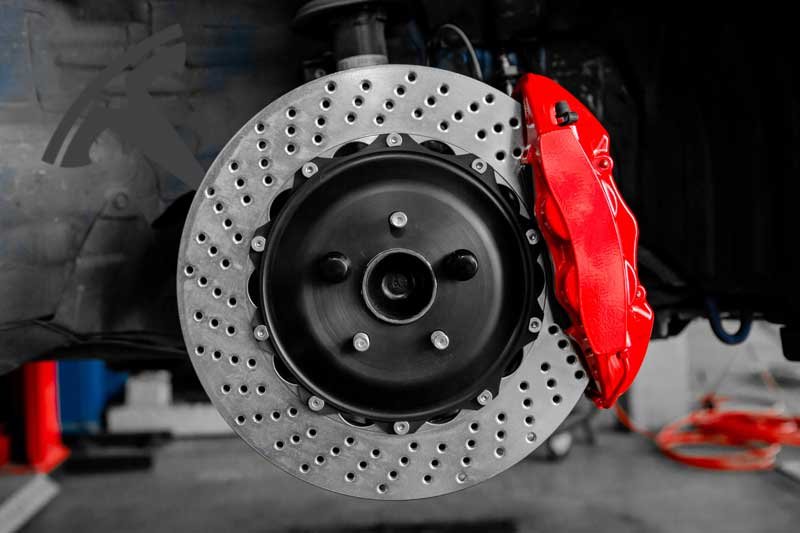
All Teslas have brakes and use electric disc brakes. They don’t use hydraulic braking systems, unlike many modern vehicles. However, electric brakes aren’t unique to Teslas. Many other car manufacturers use these brakes for the countless benefits they offer. Teslas also make effective use of regenerative braking like most other EVs.
To get a detailed picture on this topic, check out the rest of this article where I discuss the braking system in detail, how to effectively us it, how regen braking increases longevity, and how to get the most out of your brakes.
Tesla Braking Systems
Tesla uses two primary styles of braking:
- Electric brakes with a brake pedal: Tesla’s electric brakes remove the need for hydraulics. The brakes tell the vehicle’s computer to slow down or stop, which means you don’t have to worry about changing fluids nearly as often. It’s also more responsive than traditional brakes.
- Regenerative one-foot braking: Tesla explains that the majority of the energy produced from braking goes back into the battery. This unique system adds miles to the car’s charge by using the momentum of the car. It also prevents too much friction from wearing the brake pads and other parts. Most people need to get used to the increased deceleration, though.
Teslas also have an emergency brake, much like most other cars on the road. You can use this brake wherever you park, but it’s highly recommended for sloped and icy parking spaces. Putting down the parking brake reduces the stress on the calipers and brake pads.
You can also use Tesla’s emergency brake if you need to stop instantly or if the electric brakes aren’t working. While Tesla’s electric brakes work on a separate battery that allows it to work even if the car’s primary battery is dead, it’s always good to have a backup.
How to Use Tesla’s Brakes
When using Tesla’s brakes, keep these things in mind:
- Taking your foot off the pedal will activate regenerative braking immediately. Right when you’re ready to start slowing down, remove your foot from the pedal. Your Tesla will start braking, though not in the traditional sense. It won’t close the calipers or use the brake pads because the energy is used elsewhere.
- You can still use the brake pedal whenever it’s necessary. Although the regenerative braking will gradually slow the vehicle, you can use the pedal if traffic stops rapidly. Many Tesla owners find that they don’t need to use the pedal for casual around-town driving, though it’s quite useful if there are a lot of cars on the road.
To use the emergency parking brake, simply push the e-brake button on the lever on the right side of the steering wheel.
Why All Teslas Use Electric Brakes
Teslas use electric brakes because they’re full of advantages. Electric brakes are widely believed to be the best form of braking in the world. Furthermore, Tesla uses high-end materials to provide the longest-lasting electric brakes available. These brakes need very few repairs throughout the lifespan of the vehicle.
Here’s a handful of reasons Tesla sticks with electric disc brakes:
- Electric brakes don’t need brake fluid. Since there’s no need for brake fluid, you don’t have to deal with leaks, having too much or too little, and so on. Brake fluid prices add up, not to mention the potential maintenance costs and time constraints. Tesla prides itself on using these high-end electric systems.
- There’s far less rust and corrosion with electric brakes. Brake fluid doesn’t cause rust or corrosion, but when it heats up, the added moisture can cause problems. As the fluid bubbles, it increases the chances of dealing with condensation. This moisture rusts and corrodes non-electric brake systems.
- Modern electric brakes provide optimal slowing and halting. These systems communicate with the vehicle’s computer much faster than hydraulic brakes. You’ll be able to brake much quicker and much smoother. You don’t have to worry about feathering the brakes too much since regenerative braking does it for you.
- Tesla’s electric brakes last a lot longer than other braking systems. The company has mastered the ability to use the highest quality materials, precise engineering, and energy efficiency. Tesla’s electric brakes put less strain on the calipers and pads, too. This means you’ll have to replace them very rarely.
How Regenerative Braking Increases Brake Longevity
Regenerative braking increases your Tesla’s brake pads’ and calipers’ lifespan by thousands of miles. Traditional braking puts a constant strain on these components. Every time you apply the brakes, all of the pressure goes to the calipers, brake pads, and tires. Since none of the kinetic energy is released, your vehicle’s braking system won’t last as long as it could.
However, Tesla’s regenerative braking works by using the excess energy lost while the vehicle slows down. When any moving vehicle loses speed as you take your foot off of the accelerator, then energy has to go somewhere. Tesla bottles this energy and sends it back into the battery. This simple solution keeps tension off of the calipers and brake pads.
One of the best parts of Tesla’s regenerative braking is that you can choose how impactful it is. The highest setting (Standard) places the excess energy in the battery as quickly as possible. You’ll slow down quite fast, which could be jarring to people who’ve never used regenerative braking before. However, it’s more than worth the longevity once you get used to it.
You can also choose the lowest setting (Low), which only puts a little bit of the energy back into the battery. This setting is better for those who want to learn the ropes of regenerative braking. You’ll notice a slight difference compared to non-regenerative braking, but it’s enough to reduce the pressure on the calipers and the brakes.
For more options and details about the Low and Standard regenerative braking settings, read on.
Tesla Regenerative Braking Options
Tesla’s regenerative braking system isn’t brand-new technology. Some EVs and hybrids have similar advancements, but Tesla offers a few unique options. For example, you can choose the strength, mileage, and a couple of other settings when using regenerative braking. Furthermore, the materials and technology preserve the brake pads much more efficiently.
Here’s a detailed list of options you’ll find in Tesla’s regenerative braking:
- Choose between standard and low regenerative braking. Standard regenerative braking is the best option for most applications. It regenerates as much energy as possible, which means it slows the vehicle much quicker when you take your foot off of the accelerator. Low regenerative braking is much less effective and influential.
- Select from Roll, Creep, or Hold. The Hold mode allows regenerative braking to completely stop the vehicle. If you switch to Creep mode, regenerative braking will allow the vehicle to slowly move forward, much like a traditional automatic transmission. Finally, Roll mode is Tesla’s regenerative braking version of putting a car in neutral.
- Watch the power bar on Tesla’s braking system. The power bar on the primary touchscreen lets you view how much energy is going back to the battery. A fully-charged battery won’t recharge from regenerative braking since it doesn’t have extra room for excess energy. However, it’ll activate once the battery drains a bit.
Watch this helpful YouTube guide for in-depth instructions about using this unique style of braking:
How to Get the Most Out of Tesla’s Brakes
To get the most out of Tesla’s brakes, follow these suggestions:
- Use regenerative braking as much as possible. Regenerative braking reduces the strain on your vehicle’s brake pads and calipers. The more you use this unique system, the less you’ll have to deal with maintenance costs. Furthermore, regenerative braking helps your Tesla’s battery life last much longer.
- Auto Tech Blackhawk recommends inspecting the brake calipers every 12,500 miles. While you might not have to replace or repair them every time (because you likely won’t), it’s a good idea to keep an eye on the calipers and brake pads. These components can last several times longer than other brake systems.
- Never slam on the brakes unless it’s absolutely necessary. Slamming the brakes in any vehicle will wear down the brake pads. It can also cause unwanted strain on the calipers, which means they’ll have to be replaced more often than necessary. Instead, rely on regenerative braking until you need to come to a complete stop.
- Put the parking brake down every time you park on a sloped surface. The parking brake (also known as the emergency brake) releases the tension from the regular braking system when the transmission is parked. Using the parking brake at the right time will prevent your brake pads from indenting, too.
- Monitor the regeneration bar when you’re driving. The “regen” bar sits on top of the odometer. If the line is dotted, it means that much of the battery can’t be recharged via regenerative braking. Colder weather and a fully-charged battery can limit the amount of possible regeneration from this feature.