

Any good car should have an equally brilliant heating and cooling system. While regular cars run these systems with gas, electric vehicles must use electricity. So, how does the compressor work when there’s no engine involved?
Electric cars do have air conditioning. Electric vehicles use a compressor to heat and cool the car like regular cars. Electricity instead of a fuel engine powers the compressor. In addition to air conditioning, electric cars often come equipped with advanced climate control features that enhance passenger comfort. As consumers explore various models, they may also want to consider electric car key options, which can include keyless entry and smart key technology for added convenience. These modern features not only improve usability but also align with the overall technological advancements in electric vehicles. Electric cars generate heat through the use of heat pumps that efficiently transfer thermal energy from the outside environment, providing warmth to the cabin in colder weather. Additionally, regenerative braking can contribute to cabin heating by using excess energy from braking to warm the interior. Understanding how electric cars generate heat can further enhance a consumer’s appreciation for their efficient design and performance capabilities.
However, with the battery powering the whole car, how effective can an A/c unit be in an electric vehicle? How do they work, and which cars have the best cooling systems? We discuss all this below!
Air Conditioning in Electric Vehicles
Electric cars do have air conditioning units despite not having a typical fuel-run engine. It’s possible to heat and cool a vehicle as per your liking without fuel.
The only difference is that an electric vehicle has to rely on the singular power source — the electric engine — to power the whole car and keep it at an optimum temperature. This reliance on a single power source necessitates a focus on battery efficiency and thermal management systems. Understanding these components is crucial for anyone considering a transition to electric and can be found in our ultimate guide to electric cars. With advancements in technology, electric vehicles are becoming more capable, offering longer ranges and faster charging times, making them an increasingly viable option for everyday drivers.
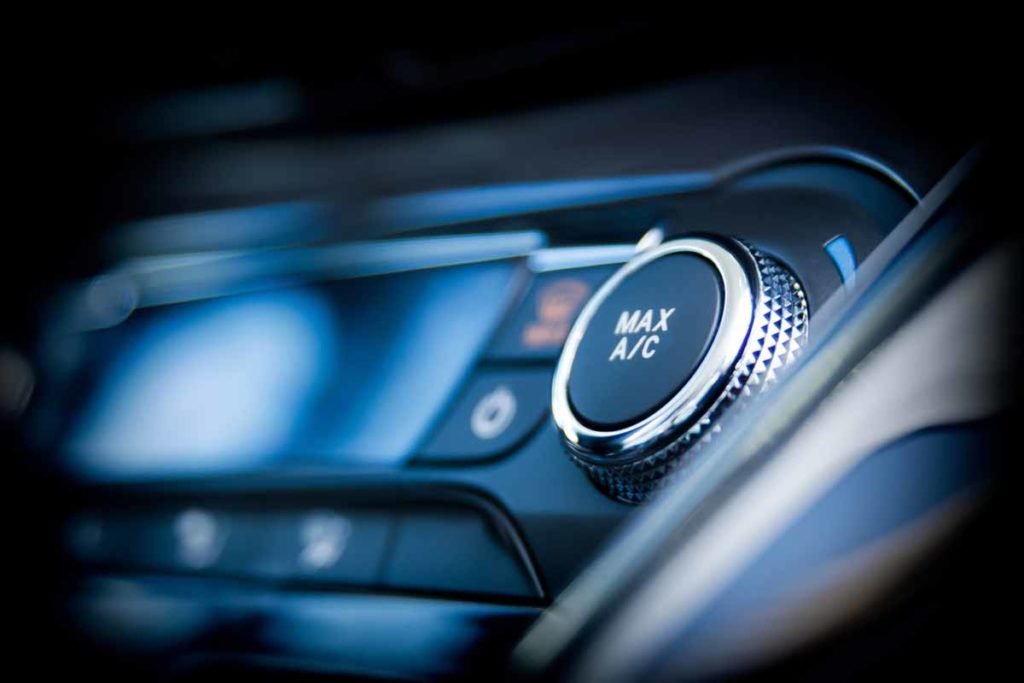
How Does Air Conditioning Work in Electric Vehicles?
Air conditioning works in electric vehicles using a compressor to push refrigerant through a cooling unit, which cools the air before reaching the vents. There’s also a Positive Temperature Coefficient heater to prevent overheating on the vehicle, battery, and too much drainage.
In Tesla’s own words, the air conditioning system is very similar to a domestic fridge. In place of an engine that uses fuel, an electric battery powers the compressor.
While it seems simple in theory, there are a lot of factors to consider when constructing such a unit.
- Firstly, there’s the drain on the battery. If your a/c unit is drawing power from the battery, then it’s bound to affect the battery’s longevity and the range of the car. It’s a big problem that any electric vehicle has to deal with.
- Secondly, heating needs to only happen in the car and not overheat the battery completely. Companies like Tesla and Nissan use a Positive Temperature Coefficient (PTC) heater to prevent overheating and battery draining.
This heater acts as a resistor. Without getting too technical, the PTC heater prevents the cooling system from draining too much battery power and overheating.
Apart from the PTC heater, there’s also a single cooling system just for the battery. You’ll see this in any Tesla model. The cooling system for the ESS (Tesla’s energy system) promotes longevity and leads to the proper distribution of heat among the cells.
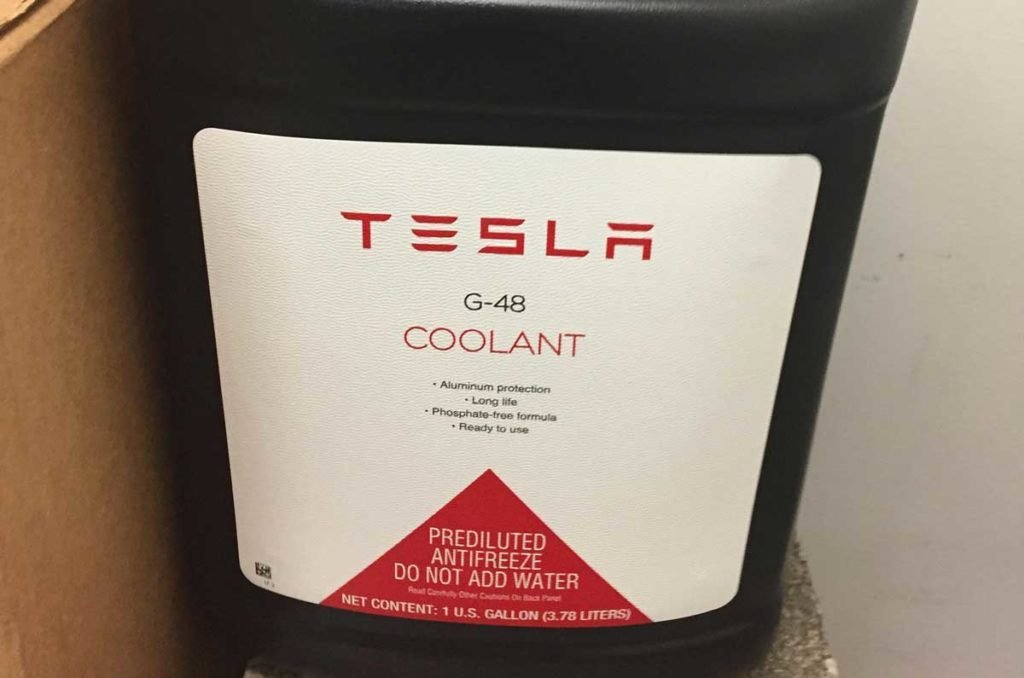
By the way, I wrote a somewhat related article called: What Kind of Coolant Tesla Uses? You might find it interesting, so head on over there once you’ve finished reading here.
Do Electric Vehicles Have Good A/C Units?
Electric vehicles do have good a/c units. Despite having less power than the regular gasoline vehicle, they use an alternate system that provides good overall heating and cooling in a car.
While all-electric cars will have an excellent a/c unit, there are other factors to consider. Everything from battery level to the range of the vehicle is affected by the cooling system in a car.
Does Air Conditioning Reduce Battery Level in Electric Cars?
Air conditioning will reduce the battery level in electric cars. The level of decrease depends on factors such as weather and the make of the car. Weather can hamper your battery level without the use of an A/c. But, if you’re using the system, there can be a disproportionate decrease in battery level.
The car will require more electricity to cool down the vehicle and keep it at that temperature in scorching weather. Certain vehicles like the Audi E-Tron and Tesla models allow you to cool your car down before stepping into it. So, when you’re charging it, you can cool it down.
We also wrote a complete Tesla Air Conditioning Troubleshooting Guide. Find out what you can do when your A/C is not working.
But there will be a reduction in range no matter how completely you charge the car.
The car will see a significant decrease in battery level when trying to heat the vehicle in cold weather. Cars like the Tesla models even have heated steering wheels, seats, and more — leading to greater energy consumption.
Despite using a PTC heater, there will be a reduction in range when using the cooling system.
To learn more about range when using air conditioning in an electric car, check out this quick video:
Most Popular Electric Vehicles and Their A/C Units
For comparison, we have taken three popular cars — Tesla Model 3, Audi E- Tron, and the Nissan Leaf. To appropriately judge the units, we have considered factors such as:
- Price
- Features
- Mileage Drop
- Battery Size
- Range
- Charge Time
| Make of the Car | Price | Battery Size | Range (miles) | Charge Time in Hours (220/240 V charger) | Features | Mileage Drop |
| Tesla Model 3 | $44,990 | 50 KWH | 315 (506.94 km) | 8.5 | Standard A/c Climate Control Heated Front Seat Heated Rear Seats Heated Steering Wheel Multi-Zone A/c | 40 miles (64.37 km) |
| Audi E-tron | $65,900 | 95 KWH | 238 (383.02 km) | 10 | Standard A/c Climate Control Cooled Front Seat Multi-Zone A/c Rear A/c Heated Front Seat | 20 miles (32.19 km) |
| Nissan Leaf | $27,400 | 40 KWH | 149 (239.79 km) | 8 | Standard A/c Climate Control | 5% – 10% |
When compared, the Tesla Model 3 comes out on top. The greater mileage drop doesn’t seem so bad with greater features and better range, all at a reasonable price.
The Audi is possibly the worst option of the three. While it seems like the Nissan, the Audi doesn’t deliver in terms of range, price, or an efficient a/c unit.